When a LinkedIn Profile Drop Is Not Enough Contact Data to Act On
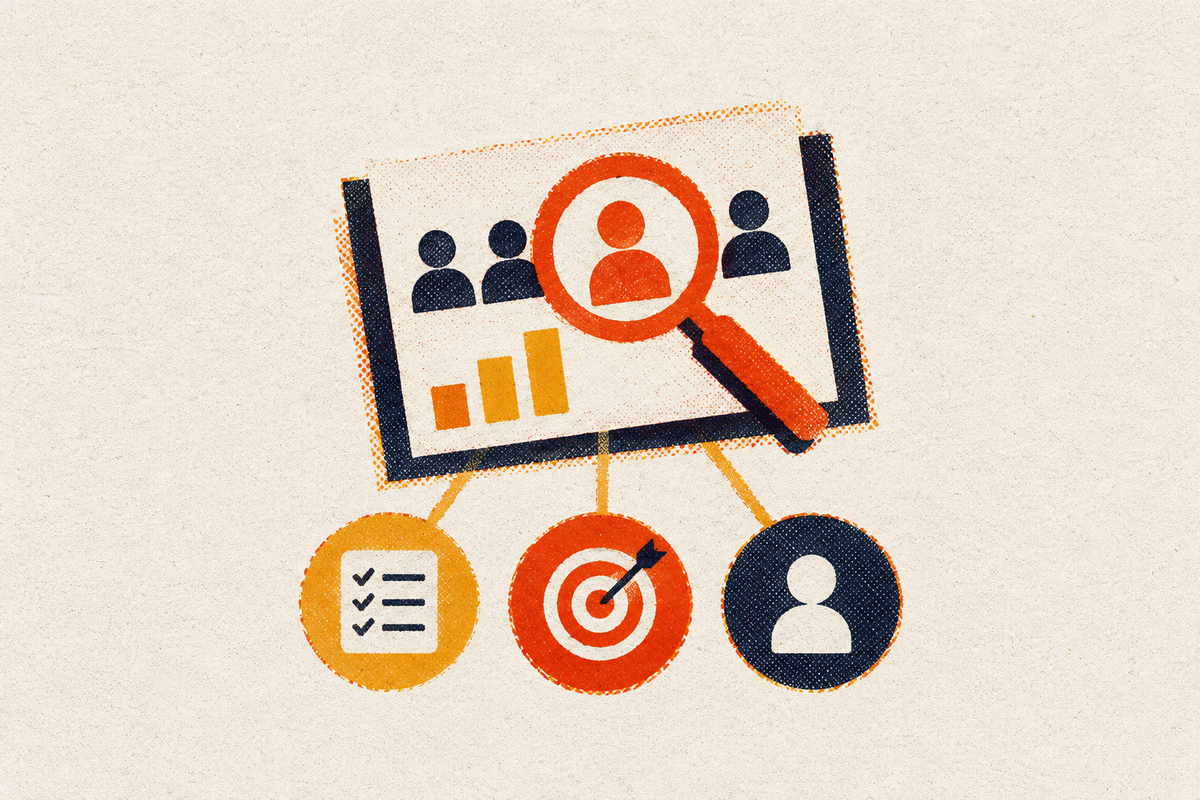
A LinkedIn profile alone cannot support sales outreach without email, phone, and visit context.
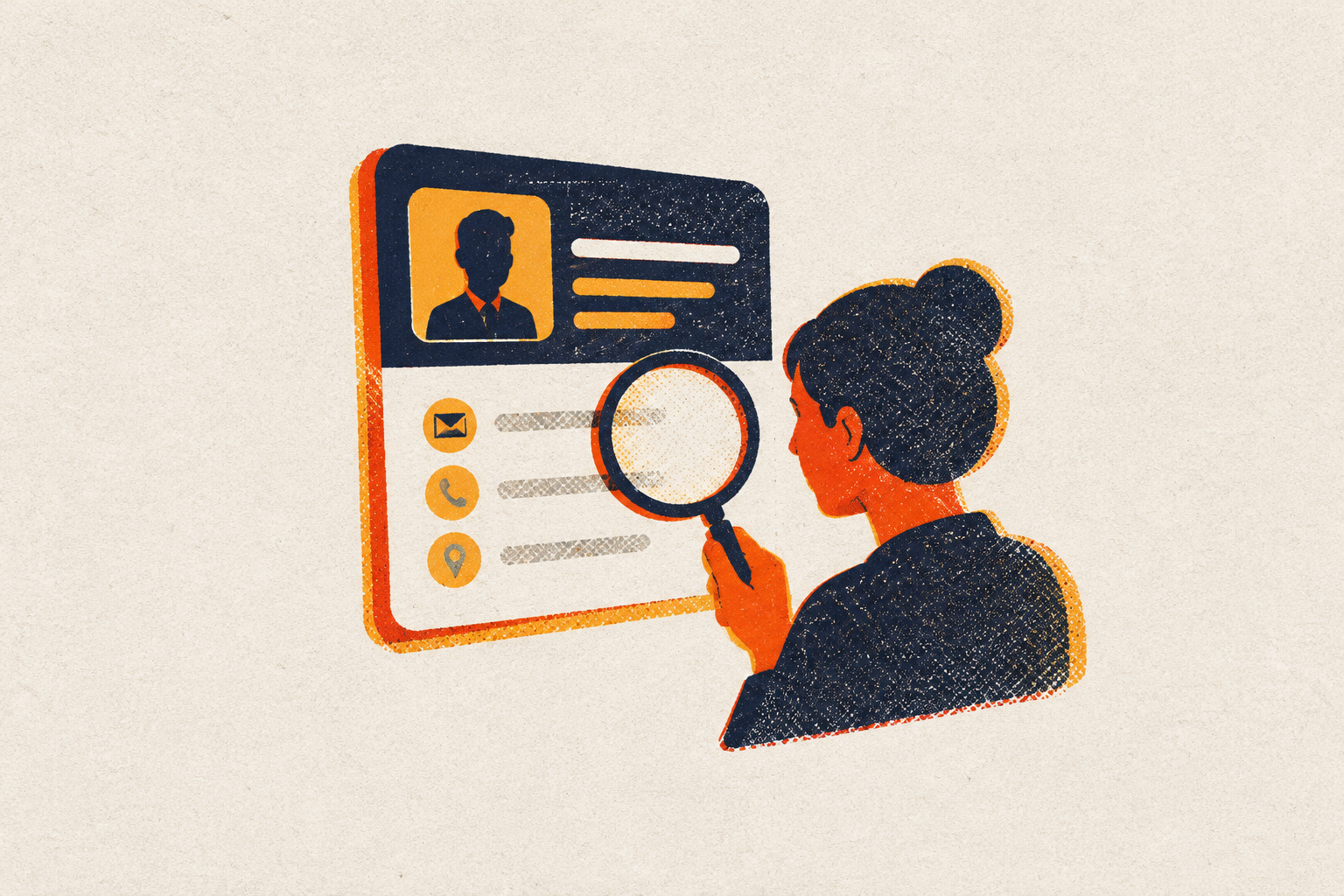
An alternative visitor identification tool should be judged by whether it gives the rep a contact record they can use beyond a LinkedIn profile. That means reachable email or phone data, role and fit context, a person-level visit journey, ad source, and CRM status delivered into the rep’s existing tools. The distinction is practical. Identifying someone is only the beginning of making a website visit actionable.
Why a LinkedIn profile ping feels like a lead but cannot act like one
A Slack notification arrives with a name and a LinkedIn URL, and for a moment the anonymous website traffic looks like a chance to make a sale. Then the rep tries to act on it. Without an email address, outreach depends on LinkedIn, where cold messages are filtered, slow, and subject to low reply rates. Without a phone number, calling is not an option.
The missing context creates a second stall. A name alone does not establish buying-committee relevance, and a visit alone does not distinguish interest in pricing from a search through the careers section. Without page history or ad source, the rep cannot ground the conversation in what brought the visitor or what they read. The rep has to start the research after the notification, even though it seemed to show that the research was already done.
What visitor identification tools actually output, and what those outputs do not prove
Leadpipe’s identification guide distinguishes three outputs that comparison tables often conflate, namely a matched company, a matched person, and a suggested contact. A matched company is an organisation associated with a visit. The record supports attribution of a page view only at the account level, leaving the particular employee who was browsing unknown.
A matched person associates an individual with eligible activity, but it does not establish a purchase decision or permission to contact. A suggested contact has a different evidential status. It identifies someone relevant at the matched company without establishing that they visited at all. Returning a VP of Sales for a visiting company domain enriches the account. Leadpipe assigns suggested contacts to a separate research process.
Vibe Prospecting’s 2026 guide separates identification from enrichment by the direction each process takes. Identification begins with an anonymous signal, such as an IP, and returns a probabilistic company match, while enrichment begins with a known email and appends fields. They solve different problems. A LinkedIn profile alert gives a probabilistic person-match, so who the person is still needs to be confirmed. Even when an identity is accepted, a rep still needs contact fields and visit context to use it.
How match rates are measured and why the numbers in vendor decks overstate usable output
Remote and hybrid workers appear on residential ISPs rather than corporate network ranges, while Apple Safari and iOS privacy features degrade cross-site person-level identification. Under GDPR, person-level identification is also effectively unavailable for EU and UK visitors who have not given affirmative consent. These constraints limit the eligible pool. A coverage claim that leaves out where visitors are or how they browse cannot tell a sales team what to expect.
Accuracy and match rate measure different things. A system can return more identities while producing fewer correct records if too many of its matches are wrong. The useful comparison is therefore not simply how many records a tool returns, but how many correctly associated people remain available for appropriate follow-up.
To evaluate a benchmark, a buyer needs its denominator, which might be sessions, unique visitors, companies, or known contacts. Those units are not interchangeable. Leadpipe calculates person coverage by dividing the number of unique matched people by the number of eligible unique visitors in the stated cohort. The evaluation also needs to establish whether employees, existing customers, repeat visits, bots, and AI agents were removed. Including non-human traffic makes the headline rate unsuitable as a measure of sales-ready coverage, because neither the traffic total nor the resulting output describes a clean pool of prospective buyers.
What a rep actually needs to take the first action on a visitor record
For a sales leader auditing visitor records, the first test is contactability. A business email matched to the company domain or a do-not-call-filtered phone number provides a channel the rep can use without first researching LinkedIn. Role context then establishes whether that channel leads to a relevant person. The person’s current title, seniority classification, and job function help the rep check buying-committee relevance before writing outreach. A reachable person is not necessarily the right person.
The next test is whether personalisation has evidence behind it. The sequence of pages viewed, scroll depth, time on page, and exit-intent signals describe where the visitor appeared and what they consumed. Ad source shows what brought the visitor to the site, including whether they came from Google, Meta, or LinkedIn. This helps frame the conversation. It also connects paid-media spend to the person or company the campaign influenced.
Suppression state shows whether outreach should happen at all. Existing customers, open opportunities in CRM, recent form fills, competitors, and job seekers require different treatment from net-new prospects. Without that distinction, a rep may approach an account that belongs with customer success or should receive no sales outreach. An ICP fit flag then supports prioritisation by industry, company size, and seniority. Together, these fields answer separate operational questions about reachability, relevance, context, eligibility, and priority.
How the funnel shrinks from raw sessions to records a rep can actually use
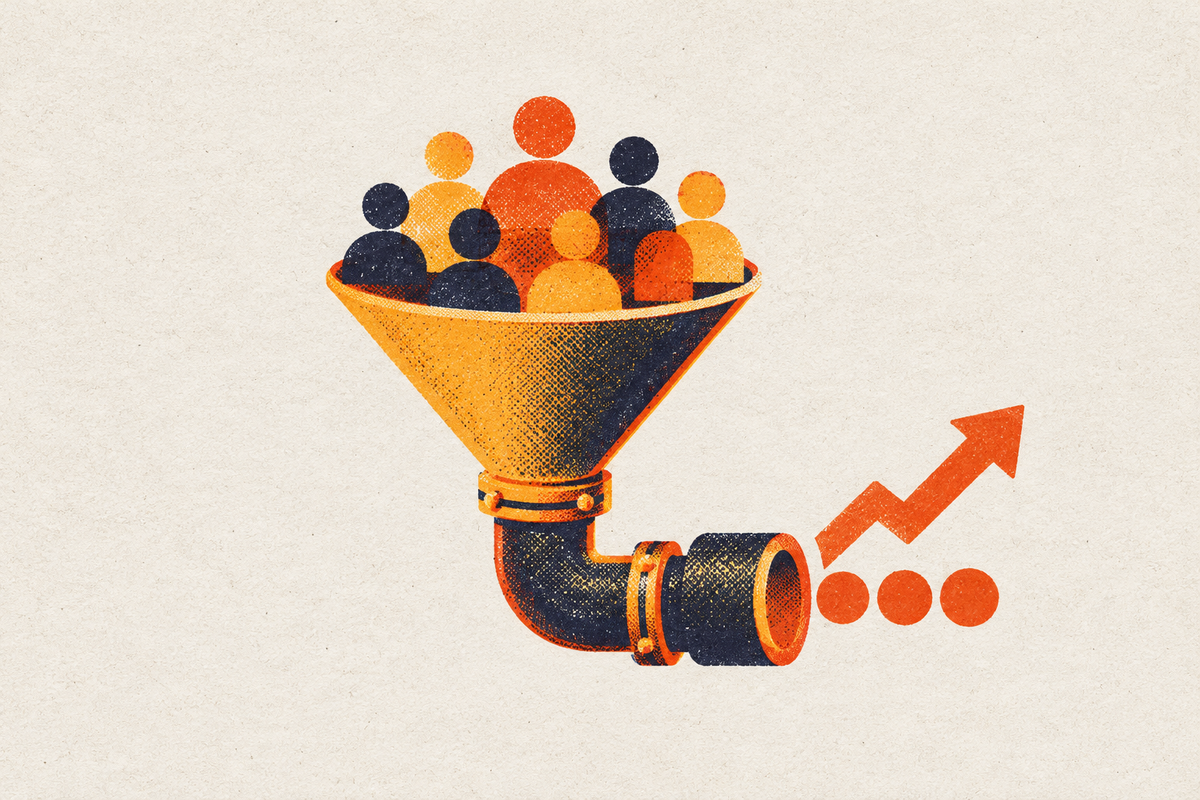
A month of website sessions is not a month of prospective buyers. The first filter removes bots and AI agents, leaving the human activity that is eligible for identification. Even within qualified US B2B human sessions, roughly a third to two-thirds resolve to a company. That still leaves the individual unknown. Person-level matching narrows the pool further, while EU and UK visitors generally remain at company level under configurations without affirmative consent for person-level processing.
Only a subset of matched people will satisfy the team’s industry, company-size, and seniority criteria. Suppression then removes existing customers, open opportunities, recent form fills, competitors, and the team’s own employees from the net-new prospecting queue. These records are excluded from that particular sales workflow even when the association is correct.
Contactability applies the final practical filter. Of the people remaining, only those with a verified business email or phone number can support outreach without additional research. The original traffic total can therefore contract into a small workable pool through six successive filters. That smaller pool is more useful than a large queue of uncertain records. Its value depends on preserving the role, journey, attribution, and suppression context described above, rather than stripping the survivors back to names and profile URLs.
Why AI agents visiting your site add a new identification problem most tools are not built for
AI agents and LLM crawlers add a separate class of visitor to this funnel. ChatGPT-User, Claude-User, and other automated visitors can consume pages and leave without filling a form, superficially resembling anonymous human research. Yet the session is not a human browsing event. Even when an agent does research for a buyer, trying to use person-level identification on its activity takes resolution work without finding a buyer who can be contacted directly.
Reliable separation of these sessions from human traffic requires explicit bot and AI-agent detection and has implications beyond the traffic count. Non-human visits can dilute match rates and distort intent signals when page consumption is treated as evidence of a person’s interest. A rate that includes both human and non-human traffic does not show how well the tool identifies people. The same separation is necessary when deciding which visits deserve a rep’s attention.
Identifying which agents visit, what content they consume, and who operates them shows which AI systems are researching the category and what they are reading. That is a different output from a sales contact. It can support competitive and go-to-market intelligence without being forced into a person-level lead record. The opportunity is therefore to distinguish two kinds of evidence.
What does an RB2B alternative with more than a LinkedIn profile deliver?
A complete record brings together identification, contact enrichment, and journey data for the same person. Its identity layer contains the name, current title, seniority, job function, company, and LinkedIn profile. The contact layer adds a company-domain-matched business email, a personal email, and a do-not-call-filtered phone number. These layers perform different jobs. The first establishes who the record concerns, while the second supplies channels beyond a profile page.
The journey layer shows every page viewed in sequence, with scroll depth, video plays, exit intent, and form interactions. A visitor who reads security documentation and then goes to pricing gives the rep different context from someone who bounces from the homepage. That difference changes the basis for personalisation. Traffic source and ad platform connect the sequence to the campaign that initiated it, allowing the rep to understand the visit while the marketing team follows the influence of paid spend.
CRM state establishes whether the person is already known, an existing customer, or a net-new contact, so routing does not depend on a manual lookup. ICP and hot-lead flags help a rep choose which of the eligible records to look at first.
How the full record reaches the tools reps already use, and why a dashboard is not enough
A complete record confined to a visitor-identification dashboard leaves a final task unfinished. The rep still has to find it, check it, and transfer it into CRM or outreach. Delivery is part of actionability. Real-time notifications in Slack or Microsoft Teams put the record in front of the rep during or immediately after the visit, while a batch sync delivers it hours later. The notification becomes useful when the underlying contact and journey data arrive with it.
CRM sync to HubSpot, Salesforce, or Attio places the record in the system where the rep already works. Attaching visit activity to the appropriate contact or company removes the need for manual data entry. Leadpipe assigns accepted person matches to the appropriate contact or owner queue, while company matches can become account-research tasks. A suggested contact does not get a visitor’s history just because they belong to the same company.
HMAC-signed, event-level webhooks allow records to trigger enrichment, task creation, sequence enrolment, or lead-score updates without a person processing every alert. A REST API and bulk CSV export make the data available to downstream systems. An MCP connector makes visitor records directly queryable by Claude, ChatGPT, Codex, and similar AI agents. Those agents can then support reps using live visitor data. For agencies, domain-scoped API keys for each client keep that client’s data separate and let external teams access it.
The decisive comparison is whether the record reaches an appropriate workflow with its evidence intact. A LinkedIn profile in Slack is a notification. A person-level journey with email, phone, pages viewed, ad source, and CRM status delivered to the rep’s existing tools is a lead. The gap is not a feature gap but a workflow gap, extending from the first identity match to the first appropriate sales action.